Using IoT Turbidity Sensors to Monitor Water Quality
In recent years, water quality has become an increasingly important issue. With the help of advances in technology, we are now able to monitor water quality more closely than ever before. One way to do this is with the use of IoT turbidity sensors.
Turbidity is a measure of the amount of suspended solids in water. These suspended solids can come from a variety of sources, including pollution, algae growth, and even sediment. Too much turbidity in water can make it unsafe to drink or swim in.
IoT turbidity sensors are able to continuously monitor turbidity levels in real-time. This information can then be used to make decisions about water treatment and distribution. The sensors can also be used to identify trends over time, which can help to predict future problems.
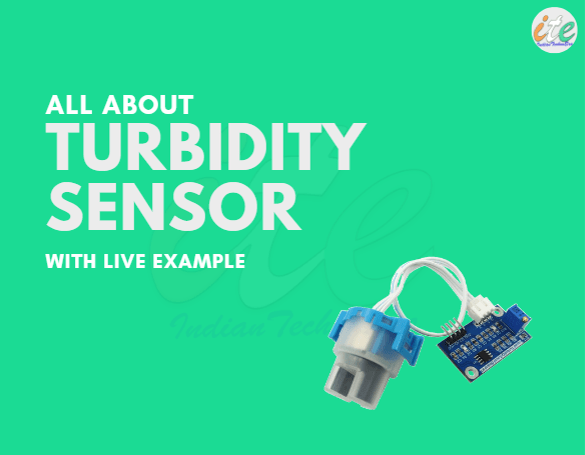 |
| Using IoT Turbidity Sensors to Monitor Water Quality |
There are many different types of IoT turbidity sensors on the market today. Some of the most popular brands include YSI, Sentek, and Ironbridge. Each sensor has its own unique features and benefits.
For example, the YSI Pro Plus 2 Turbidity Meter is a handheld sensor that is perfect for fieldwork. It is able to take measurements at multiple depths, making it ideal for large bodies of water. The Sentek Drilogger Turbidity Sensor is a submersible sensor that is designed for use in boreholes and wells. It is capable of taking high-resolution measurements, making it perfect for monitoring water quality over time.
The Ironbridge Mini Turbidity Sensor is a small, compact sensor that can be used in a variety of applications. It is perfect for use in small tanks or reservoirs. It is also very easy to install and does not require any special wiring or plumbing.
No matter what your needs are, there is an IoT turbidity sensor that is right for you. By using these sensors, you can help to keep our water safe and clean.
What is a Turbidity Sensor?
.jpg)
Turbidity is the measure of the clarity of a liquid. It is a subjective measure of the quantity of undissolved particles in a liquid and is affected by the size, shape, and density of the particles.
Turbidity sensors are devices that measure the turbidity of a liquid. There are a variety of different types of turbidity sensors available on the market, each with its own advantages and disadvantages.
Some turbidity sensors use an optical method to measure the clarity of a liquid. This type of sensor is typically more expensive than other types of turbidity sensors, but it is also more accurate.
Other turbidity sensors use a chemical method to measure the turbidity of a liquid. This type of sensor is typically less expensive than optical turbidity sensors, but it is also less accurate.
still others use an electrical method to measure the turbidity of a liquid. This type of sensor is typically the most expensive type of turbidity sensor, but it is also the most accurate.
No matter which type of turbidity sensor you choose, it is important to make sure that it is properly calibrated before using it. Improperly calibrated turbidity sensors can give inaccurate readings, which can lead to incorrect conclusions about the clarity of a liquid.
Benefits of Using IoT Turbidity Sensors
There are many benefits of using IoT turbidity sensors in water treatment plants. By continuously monitoring the water turbidity, plant operators can make real-time decisions to optimize the treatment process. This can result in significant cost savings by reducing the amount of chemicals used, and by avoiding process upsets that can occur when turbidity levels fluctuate.
In addition, IoT turbidity sensors can provide early warning of potential problems, such as changes in the source water quality or process upsets. This information can help operators take proactive measures to avoid problems and minimize disruptions to the treatment process.
IoT turbidity sensors can also help plant operators track trends over time and identify potential problems before they occur. By analyzing data from the sensors, operators can identify process trends and optimize the treatment process accordingly. This data can also be used to improve the design of future treatment plants.
Overall, the use of IoT turbidity sensors can provide significant benefits to water treatment plants. By continuously monitoring water quality and making real-time decisions, plant operators can save money, avoid disruptions, and improve the overall quality of the treated water.
How do Turbidity Sensors Work?
Turbidity sensors are devices that measure the degree of water clarity. turbidity is the degree to which water loses its transparency due to the presence of suspended particles. The more suspended particles there are in the water, the more turbid it becomes, and the more difficult it is for light to pass through it.
Turbidity is an important water quality parameter because it can be used to determine the amount of suspended solids in the water, which is an indicator of water pollution. Turbidity can also affect the taste and appearance of water, and can clog filters and other water treatment equipment.
There are several different types of turbidity sensors, but they all work by measuring the amount of light that is scattered or absorbed by the suspended particles in the water. The most common type of turbidity sensor is an optical sensor, which uses light-emitting diodes (LEDs) to measure the amount of scattered light.
Optical turbidity sensors typically have two or more LEDs that emit light at different wavelengths. The light from the LEDs is directed through the water sample, and the amount of scattered light is measured by a photosensitive detector. The detector output is proportional to the turbidity of the water sample.
Other types of turbidity sensors include sonar sensors and conductivity sensors. Sonar sensors use sound waves to measure the amount of suspended particles in the water. Conductivity sensors measure the electrical conductivity of the water, which is affected by the presence of suspended particles.
Turbidity sensors are used in a variety of applications, including water treatment, waste water monitoring, and aquaculture.
Applications for IoT Turbidity Sensors
Are you looking for an IoT turbidity sensor? There are many different types and brands of turbidity sensors on the market, so how do you choose the right one for your application?
Turbidity sensors measure the amount of particulate matter in a liquid. The particles can be suspended solids, such as silt, or dissolved solids, such as salts. Turbidity is an important water quality parameter because it can indicate the presence of pollution, pathogens, or other contaminants.
There are many different types of turbidity sensors, each with its own advantages and disadvantages. Some of the most common types of turbidity sensors are:
Optical sensors: Optical turbidity sensors use light to measure the amount of particulate matter in a liquid. They are typically the most accurate type of turbidity sensor, but they can be expensive.
Ultraviolet (UV) sensors: UV turbidity sensors use light with a wavelength of 254 nm to measure the amount of particulate matter in a liquid. These sensors are less expensive than optical sensors, but they are less accurate.
Infrared (IR) sensors: IR turbidity sensors use light with a wavelength of 880 nm to measure the amount of particulate matter in a liquid. These sensors are less expensive than optical sensors and more accurate than UV sensors.
Turbidity sensors are used in a variety of applications, including water treatment, food and beverage processing, and environmental monitoring. Some of the most common applications for turbidity sensors are:
Water treatment: Turbidity sensors are used in water treatment plants to monitor the efficiency of the treatment process and to ensure that the treated water meets quality standards.
Food and beverage processing: Turbidity sensors are used in food and beverage processing plants to monitor the quality of the products and to ensure that they meet safety standards.
Environmental monitoring: Turbidity sensors are used in environmental monitoring applications to monitor the water quality of rivers, lakes, and other bodies of water.
Advantages of IoT Turbidity Sensors in Water Monitoring
The term “turbidity” generally refers to the clouds or haziness that is found in water. The main source of turbidity in water is typically sediments or other particulates that are suspended in the water. While turbidity itself is not necessarily harmful, it can be an indication of other water quality issues. For example, high turbidity levels can indicate the presence of coliform bacteria.
IoT turbidity sensors can be used to monitor turbidity levels in a body of water. There are several advantages to using IoT turbidity sensors for water monitoring.
IoT turbidity sensors can provide real-time data. This is important because it can allow for quick detection of any changes in turbidity levels. For example, if there is a sudden spike in turbidity levels, it could indicate that there is a problem with the water supply.
IoT turbidity sensors can be used to monitor large areas. This is because they can be deployed in a network. Each sensor can cover a specific area, and the data from all the sensors can be transmitted to a central location. This allows for real-time monitoring of turbidity levels over a large area.
IoT turbidity sensors can be used to monitor remote locations. This is because they can be deployed using wireless technology. This means that they can be placed in remote locations, such as in a river or lake. The data from the sensor can be transmitted wirelessly to a central location.
IoT turbidity sensors are low cost. This is because they are mass-produced. The sensors are also small and require minimal power to operate.
IoT turbidity sensors are easy to use. This is because they usually come with instructions on how to set up and use the sensor. Most sensors will also come with software that can be used to view and analyze the data.
IoT turbidity sensors are reliable. This is because they are typically tested before they are deployed. Additionally, many sensors come with a warranty.
IoT turbidity sensors can be used for a variety of applications. For example, they can be used to monitor drinking water supplies, groundwater, surface water, wastewater, and process water.
Challenges of Deploying IoT Turbidity Sensors
The deployment of IoT turbidity sensors presents a number of challenges. One of the biggest challenges is power consumption. Turbidity sensors need to be able to operate for long periods of time, and they need to be able to do so without consuming a lot of power. This is a challenge because the sensors need to be able to communicate with the outside world and they need to be able to process the data they collect.
Another challenge is data storage. The data collected by turbidity sensors needs to be stored somewhere, and it needs to be stored in a way that makes it easy to access and analyze. This is a challenge because the data needs to be stored in a way that is both secure and accessible.
Another challenge is data security. The data collected by turbidity sensors is sensitive, and it needs to be protected from unauthorized access. This is a challenge because the data needs to be stored in a secure location and the data needs to be encrypted.
Finally, another challenge is data analysis. The data collected by turbidity sensors is useless unless it can be analyzed and interpreted. This is a challenge because the data needs to be processed and analyzed in a way that makes it accessible and meaningful.
Selecting IoT Turbidity Sensors for Water Monitoring
You can’t have a healthy water ecosystem without clean water. And you can’t have clean water without accurate water quality monitoring. That’s where IoT turbidity sensors come in.
IoT turbidity sensors are devices that measure the cloudiness or clarity of water. They’re an important tool for water quality monitoring because they can help you detect pollutants in the water.
There are a lot of different IoT turbidity sensors on the market, so it can be tricky to know which one to choose. Here are a few things to keep in mind when you’re selecting an IoT turbidity sensor for water monitoring:
1. Accuracy
2. Cost
3. Ease of use
4. Battery life
5. Compatibility
1. Accuracy
When it comes to water quality monitoring, accuracy is key. You need to be able to rely on your turbidity sensor to give you accurate readings so you can make informed decisions about the water you’re monitoring.
2. Cost
IoT turbidity sensors can vary widely in price. It’s important to find a sensor that fits your budget, but don’t sacrifice accuracy for cost.
3. Ease of use
You shouldn’t need a degree in engineering to use your turbidity sensor. Look for a sensor that’s easy to set up and use.
4. Battery life
If you’re using a battery-powered turbidity sensor, you’ll want one with a long battery life. This is especially important if you’re using the sensor in a remote location.
5. Compatibility
Make sure the turbidity sensor you choose is compatible with the other devices and software you’re using for water quality monitoring. This will help you avoid any headaches down the road.
Choosing the right IoT turbidity sensor is an important part of effective water quality monitoring. Keep these factors in mind to choose a sensor that’s right for you.
Key Considerations before Installing IoT Turbidity Sensors
IoT turbidity sensors are becoming increasingly popular for water treatment applications. However, there are a few key considerations to keep in mind before installing one.
First, it's important to consider the specific application for the sensor. What are the desired sensing parameters? What is the maximum and minimum turbidity that needs to be measured? What is the acceptable range of measurement error?
Second, the sensor chosen must be compatible with the communication protocol of the system it will be integrated into. Otherwise, the sensor will be unable to transmit its data.
Third, the sensor installation site must have power and communication capabilities. The sensor will need power to operate, and it will also need to be able to communicate its measurements to the rest of the system.
Fourth, the sensor should be installed in an area with good water quality. If the water quality is poor, the sensor readings may not be accurate.
Finally, the sensor should be installed in an area where it can be properly maintained. This includes making sure the sensor is kept clean and free of debris.
By considering these key factors before installing an IoT turbidity sensor, you can ensure that the sensor will provide accurate and reliable measurements.
Preparing the Turbidity Sensor Site
Ensuring Data Accuracy with IoT Turbidity Sensors
Working of Turbidity sensor?
The sensor works by emitting a beam of light through the liquid, and measuring the amount of light scattered or absorbed by the suspended particles. The amount of scattering or absorption is directly proportional to the amount of suspended particles in the liquid, and this information is used to determine the turbidity of the liquid.
Turbidity sensors can be used in a variety of applications, such as monitoring the quality of drinking water, measuring the clarity of swimming pool water, and monitoring the performance of filtration systems. They are often used in combination with other sensors and instruments to provide a comprehensive picture of the quality of the liquid being monitored.
The working of a turbidity sensor can be explained in the following steps:
Light Source: A turbidity sensor consists of a light source, typically an LED or a laser diode, that emits a beam of light.
Sample Chamber: The sample chamber is the area where the liquid being measured is placed. The chamber is usually made of glass or plastic, and it is designed to be optically clear to allow the light to pass through the liquid.
Photodetector: A photodetector is placed opposite to the light source, and it measures the intensity of the light that passes through the liquid. The photodetector can be a photodiode, a phototransistor, or a photomultiplier tube (PMT).
Signal Processing: The intensity of the light detected by the photodetector is converted into an electrical signal and then processed by a microcontroller or a signal processing circuit.
Calibration: Before using the turbidity sensor, it must be calibrated to ensure accurate measurements. This involves measuring the turbidity of a sample with a known turbidity value and adjusting the sensor readings to match the known value.
.JPG)
Measurement: To measure the turbidity of a liquid, the beam of light is directed through the liquid in the sample chamber. The amount of light scattered or absorbed by the suspended particles in the liquid is detected by the photodetector, and the electrical signal is processed to provide a turbidity reading.
In summary, the turbidity sensor works by measuring the amount of light that is scattered or absorbed by the suspended particles in a liquid sample. The amount of scattered or absorbed light is directly proportional to the turbidity of the liquid, and this information is used to provide a turbidity reading.
Structure of Turbidity sensor?
A turbidity sensor typically consists of the following components:
Light Source: The light source is an LED or a laser diode that emits a beam of light. The wavelength of the light emitted by the source can vary depending on the type of sensor.
Sample Chamber: The sample chamber is a transparent container where the liquid to be measured is placed. It is usually made of glass or plastic and can have different shapes and sizes.
Photodetector: The photodetector is positioned opposite to the light source and detects the amount of light that passes through the liquid. The photodetector can be a photodiode, a phototransistor, or a photomultiplier tube (PMT), depending on the sensor type.
Signal Processing Circuit: The signal processing circuit is responsible for processing the electrical signal generated by the photodetector. The circuit can consist of an analog-to-digital converter (ADC), a microcontroller, and other components.
Display: The display is an optional component that can be added to show the turbidity reading to the user.
Calibration Controls: Turbidity sensors often have calibration controls to adjust the sensitivity of the sensor and to calibrate the sensor to the specific liquid being measured.
Enclosure: The sensor is usually enclosed in a housing to protect it from environmental factors such as dust and moisture.
In summary, the structure of a turbidity sensor includes a light source, a sample chamber, a photodetector, a signal processing circuit, and other components such as a display and calibration controls, all enclosed in a protective housing.
Workflow of Turbidity sensor?
The workflow of a turbidity sensor can be described as follows:
Calibration: Before taking measurements, the turbidity sensor must be calibrated to ensure accurate readings. This involves measuring the turbidity of a reference liquid with a known turbidity value and adjusting the sensor to match the reference value.
Measurement: The liquid sample to be measured is placed in the sample chamber of the turbidity sensor. The light source emits a beam of light into the liquid, and the photodetector detects the amount of light that is scattered or absorbed by the particles in the liquid. The signal processing circuit processes the electrical signal generated by the photodetector, and calculates the turbidity of the liquid based on the intensity of the scattered or absorbed light.
Output: The turbidity reading is then displayed on a screen or sent to a data logger or other device for further analysis. The output can be in the form of a numerical value or a visual display.
Maintenance: Regular maintenance is required to ensure the accuracy and reliability of the turbidity sensor. This includes cleaning the sample chamber, checking the calibration, and replacing any faulty components.
Troubleshooting: If the turbidity sensor produces inaccurate or inconsistent readings, troubleshooting is required to identify and resolve the issue. This may involve checking the calibration, inspecting the sensor components, or replacing faulty parts.
In summary, the workflow of a turbidity sensor involves calibration, measurement, output, maintenance, and troubleshooting. The accuracy and reliability of the sensor depend on proper calibration and regular maintenance.
List of devices using Turbidity sensor
Here are some s of devices and systems that use turbidity sensors:
Hach 2100Q Portable Turbidimeter: This is a handheld water quality meter that uses a turbidity sensor to measure the turbidity of water in the field.
LaMotte SMART3 Colorimeter: This is a laboratory instrument that uses a turbidity sensor to measure the turbidity of experimental samples.
YSI ProDSS Multiparameter Water Quality Meter: This is a portable water quality meter that includes a turbidity sensor for measuring the turbidity of natural bodies of water.
In-Situ Aqua TROLL 600 Multiparameter Sonde: This is a water quality monitoring system that includes a turbidity sensor for measuring the turbidity of natural bodies of water.
Hach CL17 Chlorine Analyzer: This is an industrial process monitoring system that includes a turbidity sensor for measuring the turbidity of water in real-time.
Horiba Turbidity Meter: This is a laboratory instrument that uses a turbidity sensor to measure the turbidity of experimental samples.
Sensorex S465 Series Turbidity Sensor: This is a turbidity sensor that can be integrated into various devices and systems, such as water treatment plants, aquariums, and pool and spa systems.
Milwaukee Instruments Mi415 Turbidity Meter: This is a portable water quality meter that uses a turbidity sensor to measure the turbidity of water in the field.
In summary, there are many different devices and systems that use turbidity sensors, including water quality meters, laboratory instruments, water quality monitoring systems, industrial process monitoring systems, and others.
Advantage of Turbidity sensor
Turbidity sensors have several advantages, including:
Accuracy: Turbidity sensors are highly accurate and can measure turbidity levels within a small range of error.
Sensitivity: Turbidity sensors are highly sensitive to changes in the amount of suspended particles in the liquid, and can detect even small changes in turbidity.
Real-time Monitoring: Turbidity sensors provide real-time monitoring of the clarity and quality of the liquid being measured, allowing for quick detection and response to changes in turbidity.
Cost-effective: Turbidity sensors are relatively inexpensive and can provide a cost-effective solution for monitoring water quality in a variety of applications.
Easy to use: Turbidity sensors are easy to use and require minimal training to operate, making them a popular choice for both professionals and non-professionals.
Non-intrusive: Turbidity sensors are non-intrusive, meaning they do not require contact with the liquid being measured. This makes them ideal for use in applications where the liquid cannot be disturbed, such as in water treatment plants.
Reliable: Turbidity sensors are highly reliable and can operate continuously for extended periods of time without requiring frequent maintenance.
In summary, turbidity sensors offer high accuracy, sensitivity, real-time monitoring, cost-effectiveness, ease of use, non-intrusiveness, and reliability, making them a valuable tool for monitoring water quality in a variety of applications.
Disadvantage of Turbidity sensor
While turbidity sensors have many advantages, there are also some disadvantages to consider, including:
Limited accuracy: While turbidity sensors are great at detecting changes in the water's turbidity, they may not be as accurate as laboratory analysis for determining the exact level of turbidity.
Calibration: Turbidity sensors require regular calibration to maintain their accuracy, which can be time-consuming and may require specialized equipment.
Maintenance: Turbidity sensors may require regular maintenance, such as cleaning or replacement of the sensing element, to ensure accurate measurements.
Interference: Some substances in the water can interfere with the measurement of turbidity, leading to inaccurate readings. This can include air bubbles, dissolved gases, and high concentrations of organic matter.
Cost: Turbidity sensors can be more expensive than other types of water quality sensors, which may make them less accessible for some applications.